Dry Needling
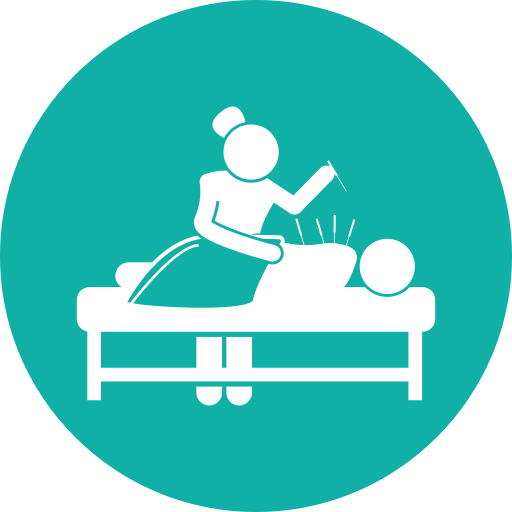
Medical acupuncture is a therapeutic technique involving the insertion of thin needles into specific points on the body.
Dry needling is a form of acupuncture that targets myofascial trigger points to relieve pain and improve muscle function.
The needles used in medical acupuncture are sterile and disposable, ensuring safety and minimizing the risk of infection.
Acupuncture stimulates the release of endorphins and activates the body's natural healing processes.
Dry needling can be effective in treating musculoskeletal conditions such as back pain, neck pain, and sports injuries.
Medical acupuncture is often used as a complementary therapy alongside conventional medical treatments.
The precise placement of acupuncture needles is determined by the practitioner's assessment of the patient's condition and symptoms.
Dry needling may cause a mild discomfort or a sensation known as "needle sensation," but it is generally well-tolerated.
Acupuncture is based on the principles of traditional Chinese medicine and the concept of balancing the body's energy flow.
Medical acupuncture has gained recognition and acceptance in mainstream healthcare for its potential benefits in pain management and overall well-being.

Pregnancy Massage
Traditional massages for fertility, pregnancy, and postpartum are therapeutic techniques that have been practiced for centuries to support women's reproductive health and well-being. In fertility massage, specific abdominal and pelvic techniques are employed to improve blood circulation, promote hormonal balance, and optimize the health of the reproductive organs. During pregnancy, prenatal massages are performed to alleviate discomfort, reduce muscle tension, and enhance relaxation. These massages are tailored to the unique needs and safety considerations of pregnancy, focusing on areas of tension and promoting overall well-being. Postpartum massages aim to aid in the recovery process by relieving muscle soreness, improving circulation, and supporting the body's healing. They may also include specialized techniques to address common postpartum issues, such as promoting abdominal muscle strength and addressing pelvic floor concerns. Traditional massages for fertility, pregnancy, and postpartum provide nurturing care and support, helping women on their reproductive journey and promoting physical and emotional well-being.
Cupping/ Hijama
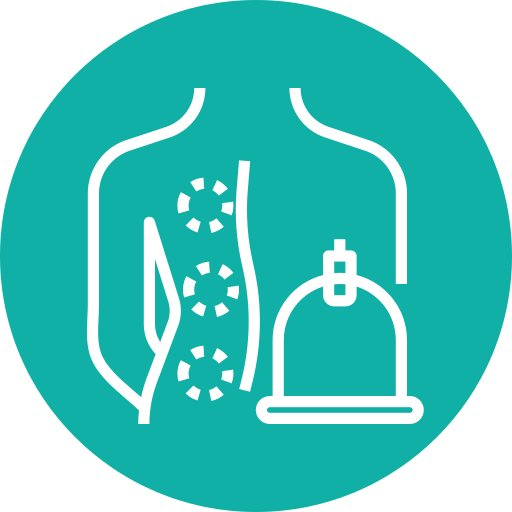
Cupping, also known as Hijama, is an ancient therapeutic practice that involves placing cups on the skin to create a suction effect.
While its effectiveness and scientific evidence are still debated, some people believe it provides various benefits.
Here are some of the claimed benefits of cupping/Hijama:
1. Pain relief: Cupping is often used to alleviate muscular pain, joint pain, and back pain. The suction created by the cups is believed to improve blood circulation, relax muscles, and reduce inflammation, which can contribute to pain relief.
2. Improved blood circulation: The suction created by cupping can increase blood flow to the treated areas. This enhanced circulation may help deliver oxygen and nutrients to the tissues while removing waste products, promoting overall healing and well-being.
3. Relaxation and stress reduction: Cupping therapy is often associated with deep relaxation and a sense of well-being. It is believed to stimulate the parasympathetic nervous system, promoting relaxation and reducing stress levels.
4. Detoxification: Some proponents of cupping claim that it helps detoxify the body by drawing out toxins and metabolic waste products through the skin. However, there is limited scientific evidence to support this claim.
5. Improved immune function: Cupping is believed to boost the immune system by increasing blood circulation and promoting lymphatic flow. It is thought to enhance the body's ability to fight off infections and diseases.
6. Relief from respiratory conditions: Cupping is sometimes used as a complementary treatment for respiratory conditions such as asthma, bronchitis, and common colds. The therapy aims to improve lung function and relieve congestion.
7. Skin health benefits: Cupping can be used on the face or other parts of the body to promote healthier skin. It is believed to stimulate collagen production, improve blood flow to the skin, and help with conditions like acne, eczema, and cellulite.
While its effectiveness and scientific evidence are still debated, some people believe it provides various benefits.
Here are some of the claimed benefits of cupping/Hijama:
1. Pain relief: Cupping is often used to alleviate muscular pain, joint pain, and back pain. The suction created by the cups is believed to improve blood circulation, relax muscles, and reduce inflammation, which can contribute to pain relief.
2. Improved blood circulation: The suction created by cupping can increase blood flow to the treated areas. This enhanced circulation may help deliver oxygen and nutrients to the tissues while removing waste products, promoting overall healing and well-being.
3. Relaxation and stress reduction: Cupping therapy is often associated with deep relaxation and a sense of well-being. It is believed to stimulate the parasympathetic nervous system, promoting relaxation and reducing stress levels.
4. Detoxification: Some proponents of cupping claim that it helps detoxify the body by drawing out toxins and metabolic waste products through the skin. However, there is limited scientific evidence to support this claim.
5. Improved immune function: Cupping is believed to boost the immune system by increasing blood circulation and promoting lymphatic flow. It is thought to enhance the body's ability to fight off infections and diseases.
6. Relief from respiratory conditions: Cupping is sometimes used as a complementary treatment for respiratory conditions such as asthma, bronchitis, and common colds. The therapy aims to improve lung function and relieve congestion.
7. Skin health benefits: Cupping can be used on the face or other parts of the body to promote healthier skin. It is believed to stimulate collagen production, improve blood flow to the skin, and help with conditions like acne, eczema, and cellulite.
Medical Acupuncture
Medical acupuncture is a therapeutic technique involving the insertion of thin needles into specific points on the body.
Dry needling is a form of acupuncture that targets myofascial trigger points to relieve pain and improve muscle function.
The needles used in medical acupuncture are sterile and disposable, ensuring safety and minimizing the risk of infection.
Acupuncture stimulates the release of endorphins and activates the body's natural healing processes.
Dry needling can be effective in treating musculoskeletal conditions such as back pain, neck pain, and sports injuries.
Medical acupuncture is often used as a complementary therapy alongside conventional medical treatments.
The precise placement of acupuncture needles is determined by the practitioner's assessment of the patient's condition and symptoms.
Dry needling may cause a mild discomfort or a sensation known as "needle sensation," but it is generally well-tolerated.
Acupuncture is based on the principles of traditional Chinese medicine and the concept of balancing the body's energy flow.
Medical acupuncture has gained recognition and acceptance in mainstream healthcare for its potential benefits in pain management and overall well-being.
Dry needling is a form of acupuncture that targets myofascial trigger points to relieve pain and improve muscle function.
The needles used in medical acupuncture are sterile and disposable, ensuring safety and minimizing the risk of infection.
Acupuncture stimulates the release of endorphins and activates the body's natural healing processes.
Dry needling can be effective in treating musculoskeletal conditions such as back pain, neck pain, and sports injuries.
Medical acupuncture is often used as a complementary therapy alongside conventional medical treatments.
The precise placement of acupuncture needles is determined by the practitioner's assessment of the patient's condition and symptoms.
Dry needling may cause a mild discomfort or a sensation known as "needle sensation," but it is generally well-tolerated.
Acupuncture is based on the principles of traditional Chinese medicine and the concept of balancing the body's energy flow.
Medical acupuncture has gained recognition and acceptance in mainstream healthcare for its potential benefits in pain management and overall well-being.
Nutrition
Nutrition is the science of how the body obtains and utilizes nutrients from food for growth, development, and overall health. It involves the study of macronutrients (carbohydrates, proteins, and fats) and micronutrients (vitamins and minerals) and their impact on bodily functions. A well-balanced and varied diet, rich in whole foods, is essential for providing the necessary nutrients for optimal physical and mental well-being. Proper nutrition plays a crucial role in maintaining a healthy weight, supporting the immune system, preventing chronic diseases, and promoting longevity. It is important to make informed food choices, considering factors such as individual dietary needs, cultural preferences, and personal goals, to achieve and maintain optimal nutrition and overall wellness.
Lymphatic Drainage
Lymphatic drainage is a type of massage therapy that focuses on stimulating the lymphatic system to help reduce swelling, inflammation, and fluid retention in the body. The lymphatic system is a network of vessels and tissues that help filter waste and toxins from the body and support the immune system.
Custom Therapies
Custom therapies refer to a range of personalized treatments that are tailored to meet the individual needs and preferences of each client. These therapies may be offered by various healthcare practitioners, such as massage therapists, chiropractors, physical therapists, and naturopaths.